


Advanced Diabetic Eye Exams in Houston: Safeguarding Your Vision Against Retinopathy
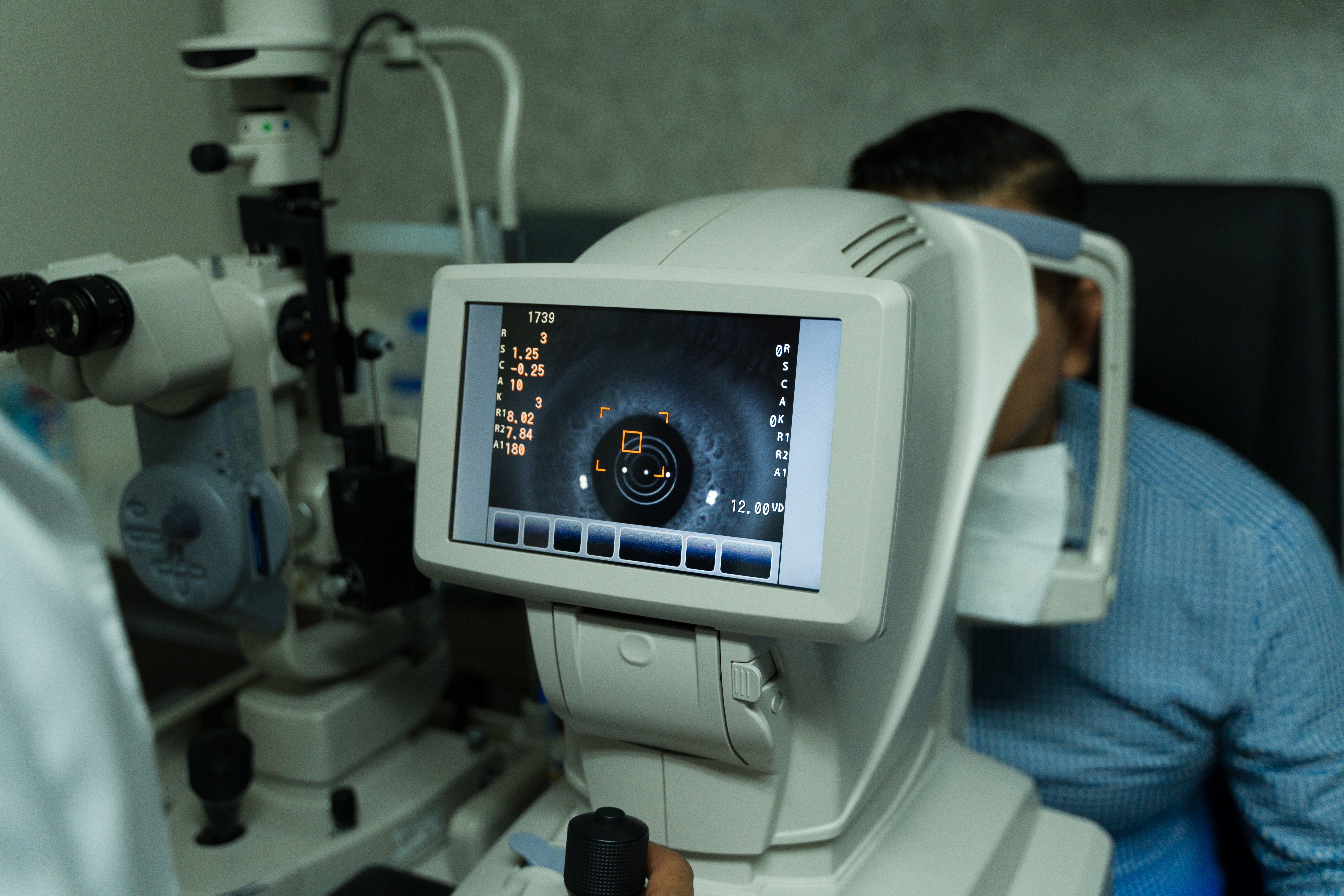
Diabetes can affect the eyes long before you notice blurry vision or other obvious symptoms. High blood sugar can gradually damage the small blood vessels within the retina, potentially leading to diabetic retinopathy and other complications that threaten long-term sight.
At Heights Vision Specialists in Houston, we provide dedicated diabetic eye exams supported by advanced retinal imaging. Regular monitoring allows us to look for subtle changes, establish a baseline, and identify problems before they begin interfering with everyday vision.
Why Diabetic Retinopathy Can Develop Quietly
The retina is the light-sensitive tissue lining the back of the eye. When diabetes damages retinal blood vessels, they may weaken, leak fluid, or become blocked.
Early diabetic retinopathy can develop without pain or noticeable vision loss. As the condition progresses, swelling, bleeding, or abnormal blood vessel growth may affect vision more significantly.
This is why Houston patients with diabetes should not wait until their eyesight changes before scheduling an eye health evaluation.
What Happens During a Diabetic Eye Exam?
A diabetic eye exam focuses on both your current vision and the health of the structures inside your eyes. Your doctor may review your diabetes history, medications, blood sugar control, and any visual symptoms before examining the retina and other important structures.
Depending on your individual needs, testing may evaluate:
- Visual acuity and prescription changes
- The retina and retinal blood vessels
- The macula responsible for detailed central vision
- The optic nerve
- Eye pressure
- Signs of bleeding, swelling, or abnormal vessels
- Changes compared with previous retinal images
This medical evaluation provides information that a basic vision screening cannot.
How Optomap Imaging Provides a Wider Retinal View
Heights Vision Specialists uses Optomap Monaco technology, which captures ultra-widefield digital images of the retina.
This allows us to document a broad area of the retinal surface quickly and non-invasively. Detailed imaging can help reveal changes associated with diabetic eye disease and create a record that can be compared during future visits.
For Houston patients living with diabetes, this comparison is valuable because retinal changes may develop gradually. Seeing how the retina changes over time can help determine whether closer monitoring or additional care is necessary.
OCT Looks Beneath the Retinal Surface
The Optomap Monaco system also includes Optical Coherence Tomography, or OCT. OCT creates high-resolution cross-sectional images of retinal tissue, allowing your eye doctor to examine individual layers rather than viewing only the retinal surface.
This technology can be especially useful when evaluating the macula for swelling or structural changes associated with diabetic macular edema.
Diabetic macular edema occurs when damaged blood vessels leak fluid into the central retina. Detecting this type of change early can help guide timely referral and treatment when needed.
What Happens If Diabetic Eye Changes Are Found?
Finding early diabetic retinopathy does not always mean immediate treatment is required. Mild changes may be monitored closely while you continue managing diabetes with your medical care team.
Good control of blood sugar, blood pressure, and cholesterol can play an important role in reducing the risk of diabetic eye complications.
If imaging shows more significant retinal changes, you may need more frequent examinations or referral to a retinal specialist. Advanced diabetic retinopathy may be treated with injections, laser procedures, surgery, or other methods depending on the specific findings.
Protect Your Vision Before Symptoms Appear
A stable glasses prescription does not necessarily mean diabetes has not affected your eyes. Regular diabetic eye exams allow us to monitor the retina before visual symptoms become the first warning sign.
If you have diabetes and are due for an eye health evaluation, schedule an advanced diabetic eye exam with Heights Vision Specialists at 841 Yale St., 2nd Floor, Houston, TX 77007, or call (832) 360-2020 to monitor your retinal health and help protect your vision from diabetic retinopathy.

All Eye
Care Services

Keep
In Touch
MAP
© 2026 Heights Vision Specialists. All Rights Reserved. Accessibility Statement - Privacy Policy - Sitemap
Powered by: 
