


The Chlorine Barrier: How Summer Swimming Rewrites Your Tear Film's Defensive Chemistry
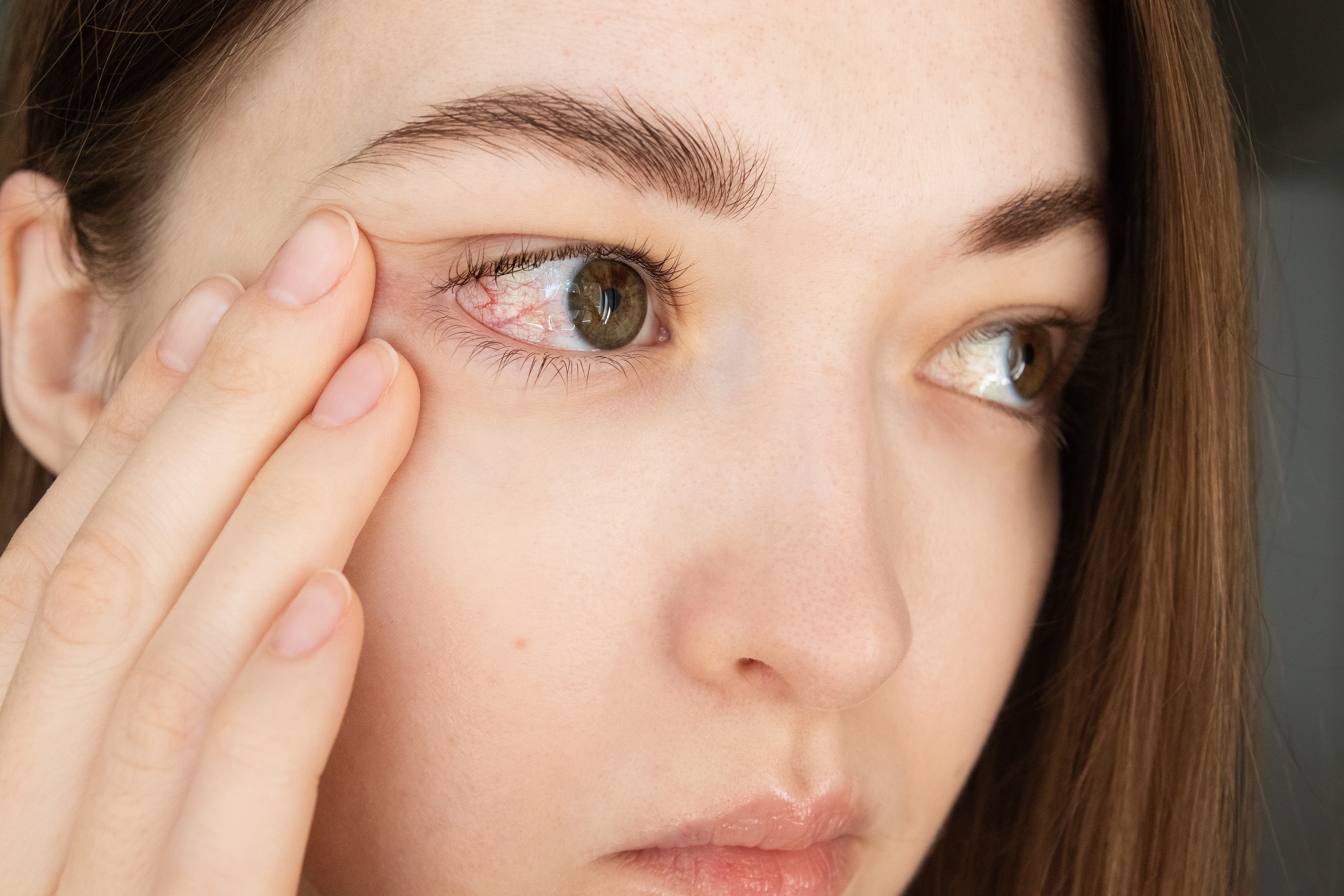
Summer swimming is a favorite way to cool off in Houston, but pool water can be hard on your eyes. If your eyes feel dry, red, gritty, or irritated after swimming, chlorine and other pool chemicals may be disrupting the tear film that protects the surface of your eyes.
At Heights Vision Specialists in Houston, we help patients understand how everyday activities, including summer swimming, can affect dry eye symptoms and overall eye comfort.
Why Your Tear Film Matters
Your tear film is more than simple moisture. It is a protective layer made of water, oils, and mucus that keeps the eye surface smooth, comfortable, and clear. Each layer has a job. The watery layer hydrates the eye, the oil layer helps slow evaporation, and the mucus layer helps tears spread evenly.
When the tear film is stable, your eyes feel comfortable and your vision stays clearer. When it is disrupted, you may notice burning, redness, watering, blurry vision, or the feeling that something is in your eye.
How Chlorine Affects The Eyes
Chlorine helps keep pool water cleaner, but it can also strip away parts of the tear film. This can leave the eye surface more exposed to irritation. Pool water may also contain sweat, sunscreen, bacteria, and other chemicals that further irritate sensitive eyes.
For Houston swimmers, this can be especially noticeable during long pool days, frequent swim lessons, or summer sports. The more time your eyes are exposed to treated pool water, the more likely you may feel dryness or burning afterward.
Why Your Eyes May Water After Swimming
Watery eyes after swimming can seem confusing, especially if your eyes also feel dry. This often happens when the eye surface becomes irritated. In response, the eyes produce reflex tears. These tears may help rinse the surface, but they do not always restore the balanced tear film your eyes need for lasting comfort.
That is why watery eyes can still be a sign of dry eye or tear film instability.
Signs Pool Water May Be Irritating Your Tear Film
Swimming-related eye irritation can look different for each person. Watch for symptoms such as:
- Red or bloodshot eyes after swimming
- Burning, stinging, or gritty sensations
- Watery eyes that do not feel relieved
- Blurry or fluctuating vision
- Light sensitivity
- Contact lens discomfort
- Dryness that lasts beyond the pool day
- Eye irritation that worsens with repeated swimming
If symptoms continue or happen every time you swim, it may be time for a comprehensive eye exam.
Contact Lenses And Swimming Do Not Mix
Swimming in contact lenses increases the risk of irritation and infection. Contact lenses can trap water, chemicals, and microorganisms against the eye. This can lead to discomfort and, in some cases, more serious eye health concerns.
If you need vision correction while swimming, ask your optometrist about safer options such as prescription swim goggles or alternatives based on your lifestyle. Removing contacts before swimming is one of the simplest ways to protect your eyes.
How To Protect Your Eyes During Summer Swimming
Wearing well-fitting swim goggles can reduce direct exposure to chlorine and pool water. Rinsing your face after swimming, using preservative-free artificial tears when recommended, and taking breaks from the pool can also help reduce irritation.
If you already have dry eye, meibomian gland dysfunction, allergies, or sensitive eyes, swimming may make symptoms more noticeable. A dry eye evaluation can help determine whether your tear film needs additional support.
When To See An Eye Doctor
Temporary redness after swimming may improve with rest and lubrication, but ongoing pain, light sensitivity, discharge, swelling, or vision changes should be evaluated promptly. These symptoms may point to infection, inflammation, or a corneal issue.
For patients in Houston, regular eye care can help identify whether swimming is triggering dry eye symptoms or revealing an underlying tear film problem.
If summer swimming leaves your eyes dry, red, or irritated, contact Heights Vision Specialists in Houston, TX at 841 Yale St, 2nd floor, Houston, TX 77007, or call 832-360-2020 to schedule an eye exam.

All Eye
Care Services

Keep
In Touch
MAP
© 2026 Heights Vision Specialists. All Rights Reserved. Accessibility Statement - Privacy Policy - Sitemap
Powered by: 
