


My Child Has Glasses - What Comes Next as They Grow?
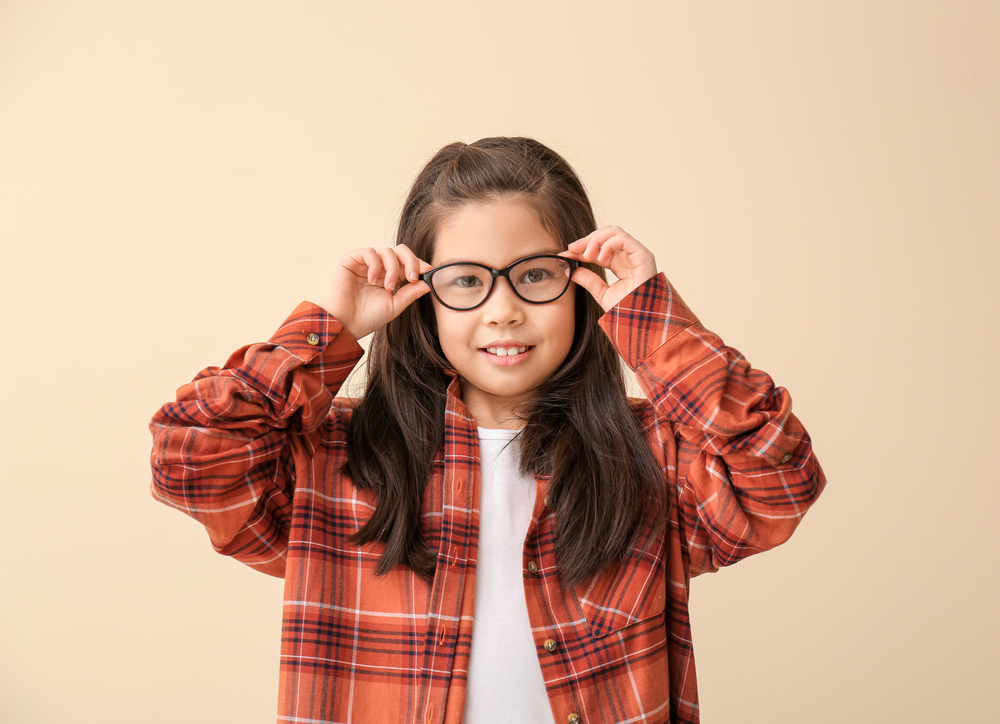
Learning that your child needs glasses is an important milestone - and often just the beginning of their vision care journey. As children grow, their eyes continue to develop, which means their prescription, visual needs, and treatment options may change over time. Understanding what comes next can help parents feel confident and proactive about protecting their child’s eyesight.
Expect Prescription Changes as Your Child Grows
Children’s eyes grow and change rapidly, especially during the school-age years. It’s common for a child’s glasses prescription to change every year, or even more frequently. Vision changes can happen gradually and may not always be obvious, which is why regular pediatric eye exams are so important.
Signs your child may need an updated prescription include:
Squinting or sitting very close to screens
Complaints of blurry vision or headaches
Eye strain during reading or homework
Declining academic performance related to visual tasks
Routine eye exams allow your optometrist to monitor these changes and ensure your child always has clear, comfortable vision.
Ongoing Pediatric Eye Exams Matter
Once a child starts wearing glasses, consistent follow-up care becomes essential. Annual eye exams help detect prescription changes early and identify eye health concerns before they affect learning or daily activities.
Pediatric eye exams also evaluate:
Eye teaming and focusing skills
Depth perception
Visual tracking for reading and sports
Overall eye health as your child develops
Early detection and timely adjustments can make a significant difference in your child’s visual comfort and long-term eye health.
Monitoring Myopia Progression
One of the most common reasons children need glasses is myopia (nearsightedness). In many children, myopia tends to worsen as they grow, particularly during elementary and middle school years.
If your child is nearsighted, your optometrist may closely monitor how quickly their prescription is changing. Faster progression can increase the risk of eye health issues later in life, which is why proactive management is so important.
Exploring Myopia Management Options
For children whose nearsightedness is progressing, myopia management may be recommended. These specialized treatment strategies are designed not just to correct vision, but to help slow the progression of myopia over time.
Myopia management options may include:
Specialized contact lenses designed for myopia control
Orthokeratology (overnight lenses that reshape the cornea)
Prescription eye drops in certain cases
Your optometrist will recommend options based on your child’s age, prescription, lifestyle, and eye health needs.
Supporting Healthy Vision Habits at Home
In addition to professional eye care, parents can support healthy vision development by encouraging:
Regular breaks during screen time
Adequate outdoor play
Proper lighting during reading and homework
Good posture and working distance for near tasks
These habits can complement in-office care and support long-term visual wellness.
Partner With Us in Your Child’s Vision Health
When your child gets glasses, it’s not a one-time fix - it’s the start of an ongoing partnership in caring for their vision. With regular pediatric eye exams, timely prescription updates, and proactive options like myopia management, you can help protect your child’s eyesight as they grow and thrive.
Contact Heights Vision Specialists to schedule a pediatric eye exam and support your child’s visual health at every stage of growth. Visit our office in Houston, Texas, or call (832) 360-2020 to book an appointment today.

All Eye
Care Services

Keep
In Touch
MAP
© 2026 Heights Vision Specialists. All Rights Reserved. Accessibility Statement - Privacy Policy - Sitemap
Powered by: 
